 +2 (03) 48 10 498
 SUBSCRIBE

 Agriculture Pesticides
 Fertilizer & PGR
 Public Health Pesticides
 Spraying Machines
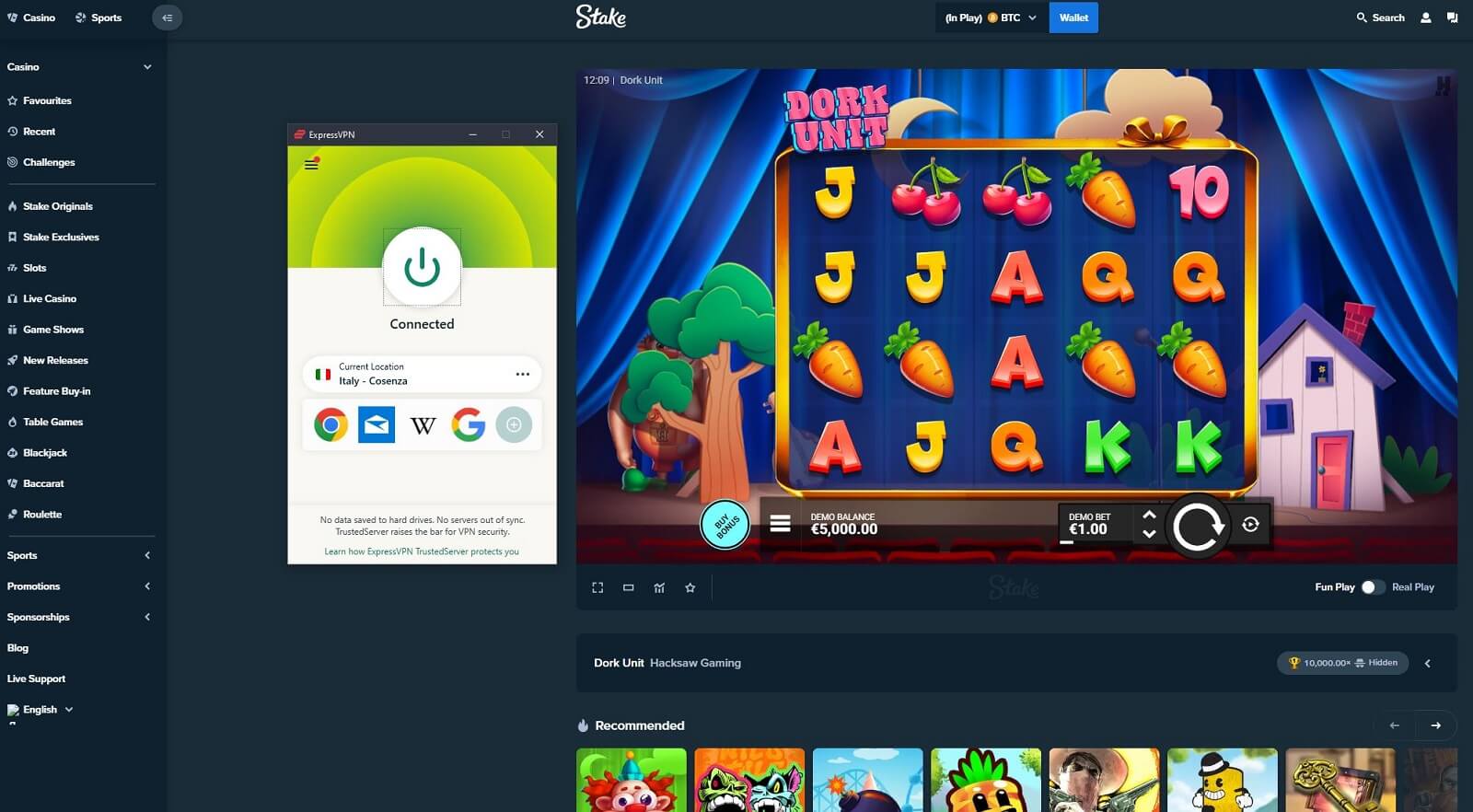
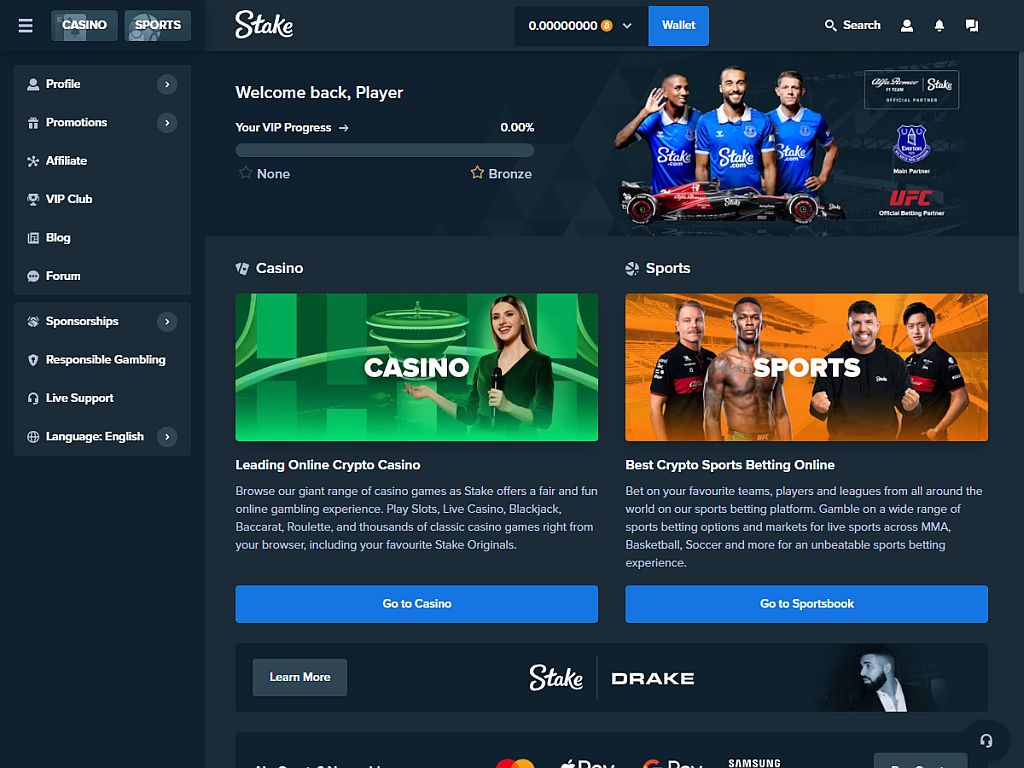
I committed a full year wagering at casino stake, recording every spin, bet, and outcome. This is the truthful account of what happened. I won’t pretend I scored some massive jackpot. Instead, I intend to show you the real financial results and the insights I gained through twelve months of steady play. I’ll present the exact numbers, tell you which games performed well for me, and outline the mistakes I encountered along the way. This is what a year of deliberate, budget-conscious gaming truly looks like.
Laying the Foundation: Our Aims and Strategy
I didn’t just jump in and begin wagering. To begin, I defined some rules. My chief objective was to enjoy myself, but with a real hope of generating some money. I created a separate bankroll, money that was only for this endeavor, and I followed a fixed monthly deposit limit. My system was basic: I played a variety of slots, live dealer games, and sports bets to see how each one performed. The essential tool was a spreadsheet. I documented every session, the game, my stake, and the result. That record is the only reason I can provide you these figures—it’s too easy to remember only the big wins and ignore the losses. I handled the full year like a project, and that mindset prevented me from doing anything stupid.
Fund Management Strategy
I was cautious with my money. I never placed more than 2% of my total bankroll on a individual bet or spin. For slots, that signified decreasing my bet size if my balance fell. For table games and sports, I employed a unit system. The idea wasn’t to hit the jackpot overnight. It was to ensure I could survive a bad week or a cold streak without going bust. That discipline is the sole reason I made it through the full year. It’s the biggest piece of advice I can give anyone.
Game Picking Standards
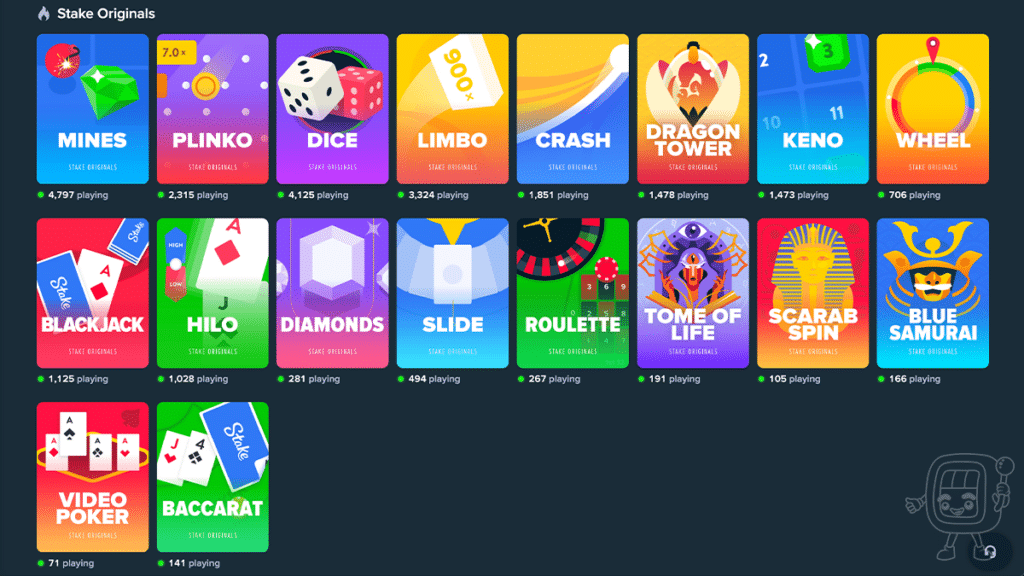
I did not select games by clicking on the most attractive picture. I searched for slots with a higher published RTP and tested games from all the big providers like Pragmatic Play and NetEnt. For table games, I mostly played blackjack and roulette, and I used a basic strategy chart for blackjack every solitary time. My sports bets were on football and tennis, sports I truly follow. I also ensured to sample new games and promotions when they were offered. This combination offered me a accurate picture of what Stake has and revealed me where I had the best shot.
The Actual Figures: Annual Profit and Loss
After 365 days, I was profitable. The total amount I cashed out was more than the total I paid in over the year. Let me be straightforward: the road to that profit was uneven. Some months I was up a decent amount, other months I wound up a little down. The gains from the good months covered the losses from the bad ones. My final profit margin was in single figures when compared to my total turnover. That’s a practical outcome for someone using a method and taking every bonus they can. It proves that making a profit is achievable, but it’s gradual and requires patience.
Slot Results: Risk in Action
I dedicated about half my time on slots. The results were all over the place, which is exactly what you should expect from slots. I landed a few amazing bonus rounds, with wins over 500 times my stake. But between those highs were prolonged, dry stretches of dead spins. When I tallied it all up, my slot play ended a bit down. But, the rewards I got from Stake’s weekly races and bonuses almost offset that loss. Games like “Sweet Bonanza” or “Gates of Olympus” delivered me my biggest single wins, but they also consumed my balance for days. The lower-volatility titles paid out smaller wins more often.
Maximizing Value from Slot Promotions
Stake’s slot races and weekly bonus programs helped me in this category. I started organizing my play around these events. There were sessions where the base game was draining my balance, but the prize drops or race winnings I secured back pushed me close to break-even. I realized that if you play at Stake and ignore the promo page, you’re basically wasting money away. That extra cashback and those free spins directly contributed to my bottom line and let me play for much longer.
Live Casino & Table Games: Where Strategy Paid Off
This was my steadiest source of profit. By using perfect basic strategy in blackjack and focusing on European roulette, I kept the house edge as small as possible. Over countless hands, that disciplined approach built to steady, stable gains. Stake’s live dealer section is fantastic, with experienced hosts and a clean stream. The rules seemed standard and fair. I never received the huge multipliers you see in slots here, but the predictability and lower swings made table games the reliable workhorse of my year. It showed that mastering what you’re doing makes a noticeable difference.
Sports Betting: Leveraging Knowledge
I was extremely prudent with sports betting. I focused on football and tennis, because I understand those sports well. I steered clear of crazy accumulator bets, choosing single bets where I believed my research provided me with an edge. This area finished with a solid positive return, and it recorded my highest win rate of any category. The cash-out feature was a game-changer for managing games in play, allowing me lock in a profit or escape a bad bet. Stake’s sportsbook offers good odds and tons of markets, which allowed me to find the specific bets I wanted. It proved that actual knowledge is a real advantage.
The Influence of Rewards and Exclusive Rewards
As I advanced through Stake’s VIP levels, the benefits started to be important more and more. The weekly and monthly cashback became a trustworthy boost to my funds, easing the blow of a bad week. My account manager would inform me about special offers. The welcome bonus was decent, but the real value is in the ongoing rewards for regular players. Stake’s VIP program isn’t just for show. It places real money back into your account, and over a year, that accumulates. For someone playing long-term, these benefits create a safety net a newcomer doesn’t get.
Key Lessons Gained the Hard Way
I realized to regulate my emotions. Trying to recoup slot losses by increasing my wagers was a quick track to a greater hole. I needed to learn to walk away and come back later. Next, tracking everything was vital. Without my spreadsheet, I’d have a totally wrong notion of the things was effective. Furthermore, some games just don’t match your preferences or bankroll, and finding the correct ones is key. Finally, promotions are a component of the game plan. Handling them as an oversight is a mistake. I understood these lessons by making mistakes a little, and they created all the impact.
Would We Do It Again? Final Judgment
I would, unquestionably. The year at Stake was enjoyable, engaging, and in the end, profitable. The platform is dependable, has a huge choice of games, and its rewards system for regular players is well-designed. My profit wasn’t game-changing, but it showed that a disciplined method can succeed. The process taught me more than just how to bet. It showed me how to manage money, grasp the games, and leverage a platform’s tools fully. If you’re ready to organize and stay disciplined, Stake is a place where you can enjoy yourself and maybe walk away with a profit.
FAQ
Were you truly profitable after twelve months?
Indeed, I achieved a net profit. But this was due to strict money management, picking games strategically, and using every bonus and VIP perk I was able to. The profit was small compared to the total amount I wagered. It proves that disciplined, long-term play can be profitable, but it’s not a guaranteed route to riches.
Which game type was the most profitable for you?
Table games were my most consistent earners. Blackjack, using a basic strategy chart, and European roulette carried the load. My sports betting, where I stuck to what I knew, also performed admirably. Slots provided my biggest single wins but were overall volatile; they were a bit in the red for me, but the promotions minimized that deficit.
How crucial were bonuses and VIP benefits to your success?
They were crucial. The regular cashback, race prizes, and VIP bonuses made up a significant chunk of my final profit. They safeguarded my bankroll when I was losing and offered extra value when I was winning. For anyone playing regularly, monitoring promotions isn’t just a good idea, it’s a must.
What was your biggest mistake during the year?
Giving in to emotional impulses after a loss, especially on slots. I’d sometimes up my wagers trying to get back to even, which just dug a deeper hole. Identifying that emotional spike, stop playing, and take a break was a hard but critical lesson.
Is this approach suitable for a casual player?
The basic ideas help everyone: set a budget you can afford to lose, choose games carefully, and use the promotions. You don’t need a complex spreadsheet like I used. A casual player can do a simpler version: determine a strict loss limit before you start, maybe concentrate on lower-volatility games or ones where skill matters, and always look at the promos page first.