 +2 (03) 48 10 498
 SUBSCRIBE

 Agriculture Pesticides
 Fertilizer & PGR
 Public Health Pesticides
 Spraying Machines
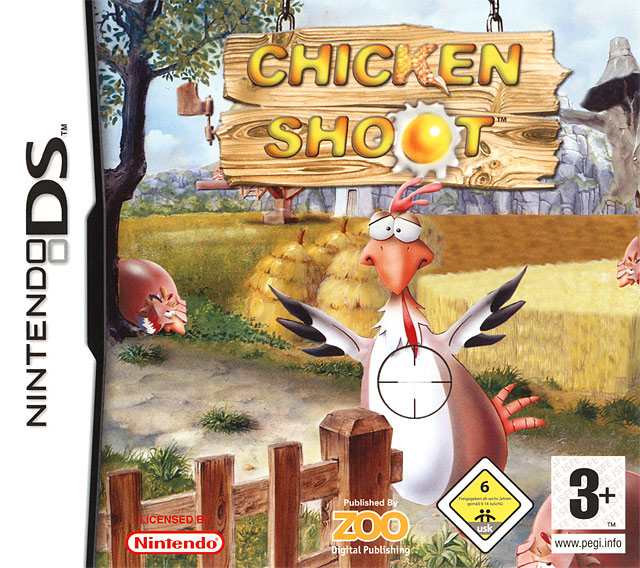
This article explores the First Chicken Shoot Game and its possible use as a theme for youth education in Canada. We intend to pull apart the game’s core functions from its gambling setting. The goal is to see how its central ideas could be reshaped for teaching. This work is essential for building resources that educate young people, not just engage them within risky scenarios. It helps promote a safer online space.
Shaping Responsible Engagement with Gaming Content
The educational aim ought to be to foster conscious interaction, not just instruct youth to stay away from games. This involves guiding them to look critically at all gaming platforms, especially sites that offer games like Chicken Shoot within a casino area. We can encourage a routine of posing questions: What is this site’s core goal?
Content can assist youth to identify subtle signs. These encompass virtual coins, extra rounds that resemble slot machines, or ads for playing with real money. Converting a game session into this sort of analysis enhances media literacy. The goal is to instill a habit of pondering about what you’re doing online, not just doing it passively.
We can make handy checklists. These would encourage users to look for licensing details from authorities like the Kahnawake Gaming Commission, age restriction warnings, and options to transfer money directly. Learning to interpret these signs assists young Canadians differentiate between casual gaming and official gambling spaces.
Conversations about managing time and resources are also worthwhile. Establishing personal limits on play sessions, including for free games, builds discipline. This approach pertains to all digital activities, promoting a more harmonious and thoughtful approach to being online.
The psychology of fast-paced arcade games
Informative discussions need to cover why these games are so engaging. The quick cycle of shooting, hitting, and scoring triggers small dopamine releases, which makes you want to repeat the action. It can produce a flow state where you become absorbed. Informing young people to identify this design is a key part of fostering their digital awareness.
Risk factors in reward schedules
A strong psychological tool is the variable ratio reward schedule. Regular Chicken Shoot might give steady points, but gambling versions use unpredictable, big rewards. Educational materials should clearly illustrate this difference. They need to explain how randomness, not skill, becomes the main attraction in gambling contexts.
Young people need to comprehend this distinction. The sporadic rewards in gambling-style games are designed to keep you playing even when you lose, a pattern that can stick. Describing the contrast between progressing with ability and seeking random rewards is a basis of protective education.

Strengthening cognitive resilience
On the other hand, knowing these triggers can create strength. By outlining why the game feels engaging, we provide young people a kind of mental awareness. They learn to watch their own reactions. They can distinguish the fun of improving a skill from the pull of hoping for a lucky break.
This self-knowledge defends against manipulative design in other areas too. Exercises might include keeping a log of play sessions to identify what sparks certain feelings, or discussing that “one more try” urge. This kind of reflection creates a buffer against compulsive play habits.
Ethical Discussions in Game Development and Oversight
The way simple arcade titles get transformed into gambling-like formats is a fantastic theme for moral discussion. Learning resources can structure talks about designer responsibility, the morality of psychological nudges, and shielding vulnerable groups. This lifts the dialogue from private selection to its effect on the public.
Students can engage in simulation activities as game developers, regulators, or public champions. They can argue where to draw the line between captivating design and predatory practice. These conversations foster ethical reasoning and a awareness of the intricate digital landscape.
We can introduce the notion of “deceptive designs.” These are interface selections meant to mislead users into actions. Contrasting a standard arcade game to a variant with misleading “continue” buttons or covert real-money pathways makes this ethical problem clear. It makes young people reflecting critically about their personal decisions and control.
This part should also discuss Canada’s oversight environment. That covers the part of local governing bodies and how the Legal Code separates games requiring skill from games of chance. Knowing the regulatory framework helps youth understand the frameworks the community has established to handle these risks.
Information Literacy and Source Analysis
Understanding to analyze sources is a necessity for today’s education. Materials can employ Chicken Shoot as a practical case study. Learners can be asked to investigate the game’s history, its various versions, and the various websites that host it.
This exercise develops essential research skills: comparing information across several sources, judging a website’s trustworthiness, and understanding commercial motives. Understanding to identify a site’s top-level domain and licensing info is a useful ability. It enables young people to develop smart decisions about which digital spaces they visit.
A focused module could contrast two sites: a credible .ca educational portal and a .com casino site. Students can analyze the language, color choices, promotional pop-ups, and privacy policies on each. This side-by-side comparison makes the distinction between commercial and educational intent very clear.
We can also include lessons on digital footprints and data privacy. Many free game sites generate money by harvesting user data. Recognizing what personal information might be captured during a simple game session adds another dimension to source evaluation. This connects directly to Canada’s digital privacy laws.
Mathematics and Probability Lessons from Gaming Mechanics
The point and goal patterns in Chicken Shoot can be a useful path into math concepts. Educators can take these features and create lesson plans that leave the original context away. This transforms a potential risk into a learning example that feels pertinent to everyday digital life.
Determining Probabilities and Expected Value
Even with a ability-based version, we can construct models to determine hit likelihoods. If a chicken glides across the screen at different speeds, what’s the chance of targeting it? Students can collect their own data, plot it on a graph, and determine their expected scores.
This ties abstract probability theory to a recognizable, measurable situation. For example, if a target has three possible speeds, students can give a probability to each speed appearing. Then they can calculate the expected value of making a shot. It connects algebra to something they can watch happening in the game.
Analytical Evaluation of Outcomes
By tracking scores over many rounds, students understand about mean, median, mode, and standard deviation. They can analyze if their performance grows better with practice, which is a lesson in gathering and deciphering data. This method underscores skill development and measurable progress.
Projects could entail making control charts for their accuracy rate. They could conduct hypothesis tests to check if a new strategy, like anticipating their shots, leads to a real improvement. This directly contests the idea of random outcomes by showing evidence of learned skill.
Building Alternative, Instructional Game Prototypes
The most positive educational effect may arise from allowing youth create. Motivated by the mechanics, they can be directed to craft their own moral, learning game models. The core loop of pointing and exactness can be reimagined for acquiring geography, history, or language.
Storyboarding and System Translation
The primary step is to plan a new theme and alter the launching mechanic into a educational action. Possibly players “grab” correct answers or “collect” historical figures. This process analyzes game design. It shows how the same mechanic can fulfill completely different goals.
For instance, a Canadian geography prototype may have players select provincial flags or capital cities rather than firing chickens. This requires associating the core action (clicking a target) to a learning goal (remembering a fact). It illustrates how flexible game systems can be.
Concentrating on Beneficial Feedback Loops
The educational prototype requires feedback that instructs. Rather than a message stating “You won 100 coins!”, it could say “You recognized the capital city! Here’s a key fact about it.” This design work turns the principles real.
It alters a young person’s role from consumer to maker, and they accomplish it with an understanding of how games can affect and teach. Simple drag-and-drop game building tools allow this for many students. They get to feel the deliberateness behind every noise, image, and point system.
Lastly, add peer testing and critique sessions. Students play each other’s models and evaluate if the learning goal is met without utilizing manipulative tricks. This reinforces the lesson that ethical design is both feasible and valuable. It concludes the learning cycle, moving students from analysis all the way to production.
Comprehending the Core Mechanics of the Game
Creating useful educational content begins with taking the game apart. Chicken Shoot is an arcade-style game with a fast pace. Players shoot at moving objects, usually chickens, on a screen. You earn points for hitting them correctly and quickly, with sounds and visuals confirming a hit. The main loop challenges your reaction time, ability to spot patterns, and hand-eye coordination.
These mechanics are harmless by themselves. They constitute the base of many standard video games and brain training tools. The tricky part for educators is extracting these elements away from the reward systems that resemble gambling payouts. We can analyze the stimulus-response setup without approving of the places it’s commonly found.
We can break the mechanic into three parts: your input (a click or tap), the output (an explosion, a sound, a rising score), and the processing speed you require. This three-part model provides a clear way to discuss how people interact with computers. It lets teachers to portray the game as a simple system of cause and effect, separate from its likely troublesome packaging.
The targets often move in predictable waves or shapes. This introduces simple ideas about sequences and anticipating what comes next. These are valuable thinking skills. Focusing on them on their own offers a neutral place to launch deeper talks about how games are designed and what they’re meant to do.